
A development can be well planned and still feel forgettable.
That’s where community branding makes the difference.
At SEC Planning, our approach to community branding focuses on how a project is experienced — not just how it functions. This is where a development moves beyond layout and infrastructure and begins to take on identity.
Branding a community is not about marketing materials or logos alone. It’s about defining the character of the physical environment — how it looks, how it feels, and how everything works together.
A strong community brand creates a sense of place. It turns a collection of buildings, lots, streets, parking, and amenities into something cohesive, intentional, and recognizable.
Community Branding Architecture is the process of shaping that identity early — before design is finalized and before construction begins.
It typically includes:
This is not just a conceptual exercise.
It establishes a clear direction that carries through:
Every design decision that follows is influenced by this foundation.
While it may include naming and identity elements, this is not traditional branding.
It is focused on the built environment — the physical experience of the community — and how that experience is shaped through design.
Community branding is closely tied to placemaking — the process of creating environments that people connect with.
In practical terms, placemaking means designing spaces that feel intentional, cohesive, and aligned with how people actually live and work.
It’s the difference between:
Without a clear identity, even well-designed projects can feel generic.
With a strong approach to placemaking, a development becomes something more:
Community branding is often what separates a standard project from one that performs in the market.
Entering a site sets expectations immediately.
Entry features, signage, and the arrival sequence establish the tone and communicate the level of quality before anything else is experienced.
A strong identity ensures that everything works together:
This consistency reinforces the overall character of the site.
When a community feels intentional and well-designed:
it attracts more attention
it feels more desirable
it supports stronger long-term perception
Over time, that translates into better performance — both in initial interest and long-term value.
Branding a community is not about a single feature. It’s about how all elements work together.
This includes:
These are the elements people see and interact with — and the ones that stay with them, shaping how the place is experienced and remembered.
Consistency Across the Entire Site
Consistency is what makes a community feel cohesive.
Design elements should reinforce each other, creating a unified experience rather than a collection of disconnected features.
Our process is structured, but highly collaborative.
We start by working with the client to understand:
These factors shape every decision that follows.
We create image boards, reference materials, and early concepts to establish direction.
This phase helps clarify:
Concepts are refined through collaboration and feedback.
Some projects move quickly. Others require multiple iterations. The goal is to align the vision with both market expectations and project constraints.
One of the most important steps is turning abstract ideas into something that can actually be built.
Concepts are translated into:
This ensures the vision carries through into execution.
Community Branding Architecture serves as a bridge between planning and design.
Branding decisions can influence:
These decisions are often made early and shape the final layout of the site.
As projects progress, adjustments are often needed.
Client preferences may shift. Opportunities may emerge. Plans may evolve.
This process allows for that flexibility while maintaining a cohesive direction.
Without a clear approach to community branding, projects tend to struggle in a few key areas.
Projects without a defined identity often feel generic and indistinguishable from others in the market.
When design elements are not aligned, the result is a fragmented experience.
A minimal approach to design often leads to underwhelming results.
And in many cases, underwhelming design leads to underperforming projects.
At SEC Planning, our approach to placemaking is grounded in Client-Centered Thinking™.
We work closely with clients to understand what they want to create — and help translate that into a cohesive, buildable direction.
Design decisions are informed by:
The goal is to strike the right balance between differentiation and familiarity.
Every concept is developed with execution in mind.
Ideas are refined into plans that can be clearly understood, coordinated, and constructed — ensuring that the original vision carries through.
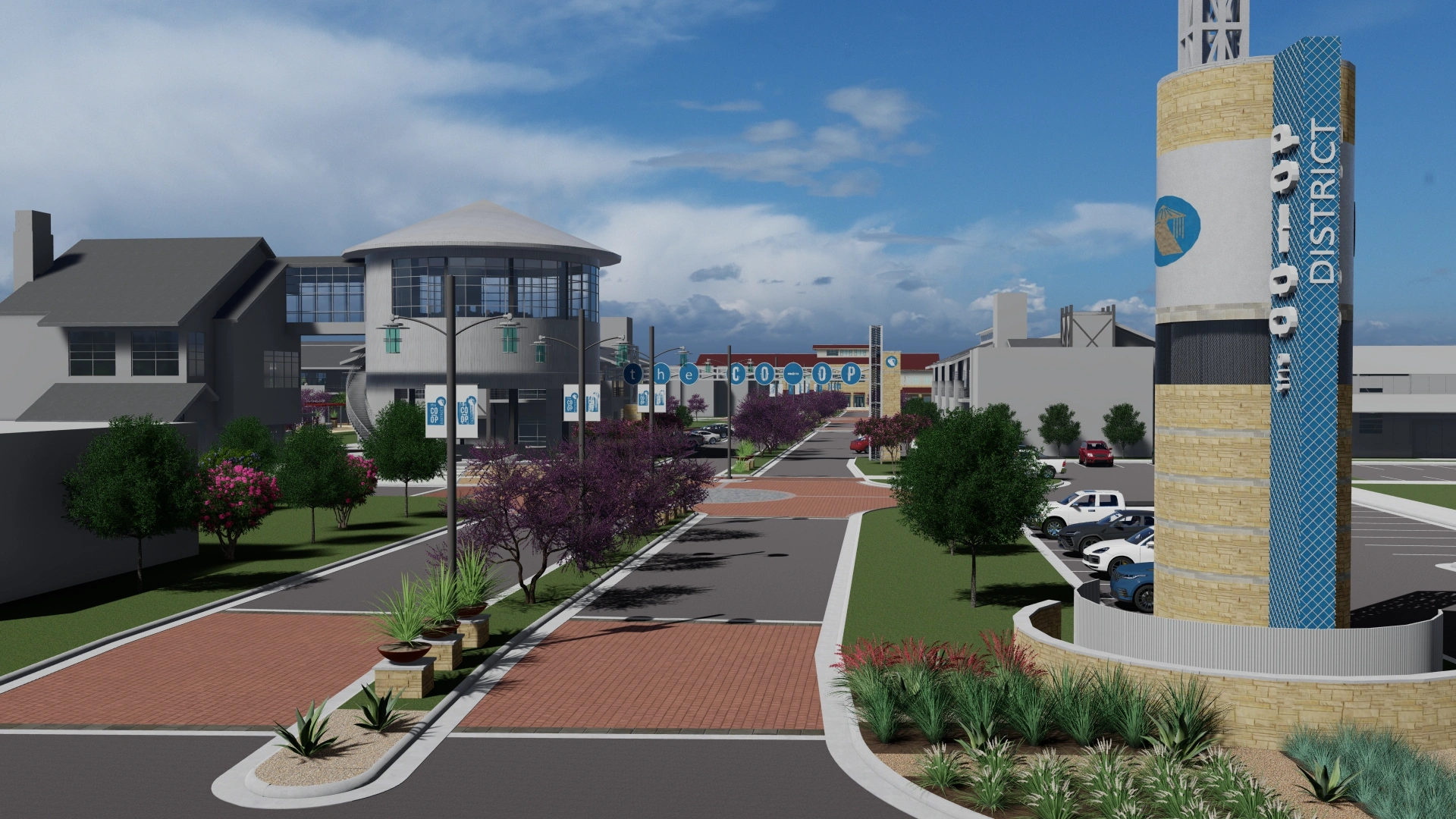
A strong plan defines what a project can be.
Community branding defines how it is experienced.
At SEC Planning, we help clients create projects that feel intentional, cohesive, and built to perform in the real world.