
A project can look right on paper — and still not work the way you expect in the real world. That’s where 3D visualization becomes valuable.
At SEC Planning, 3D visualization is used to help clients understand how a project will actually function in space. It’s not just about creating images. It’s about testing ideas, evaluating design decisions, and seeing how a project will be experienced before it’s built.
While many 3D architectural visualization services focus on final presentation, our approach integrates visualization into the design process itself — using it as a tool to improve outcomes, not just showcase them.
Our 3D visualization services are built around realistic representations of your project, developed directly from design and planning data.
This includes:
Every visualization is based on actual project files, including CAD drawings and design inputs. This ensures that what you see reflects real conditions — not just a conceptual approximation.
These models are not created just to present a finished idea. They are used throughout the process to support planning, design, and refinement.
Plans are two-dimensional. Real-world experience is not.
3D visualization makes it easier to evaluate:
These are things that can be difficult to fully understand from drawings alone.
Visualization allows you to see what it will feel like to:
That level of understanding helps inform better decisions.
The most valuable role of 3D visualization is in supporting design decisions.
By seeing the project in context, it becomes easier to identify:
Addressing these early reduces the need for changes later.
One of the most important insights visualization provides is how elements are actually seen.
This includes:
Small adjustments in placement or scale can make a significant difference — and those adjustments are often identified through visualization.
In many cases, visualization leads to:
Sometimes, these changes are minor. Other times, they significantly improve how the project functions.
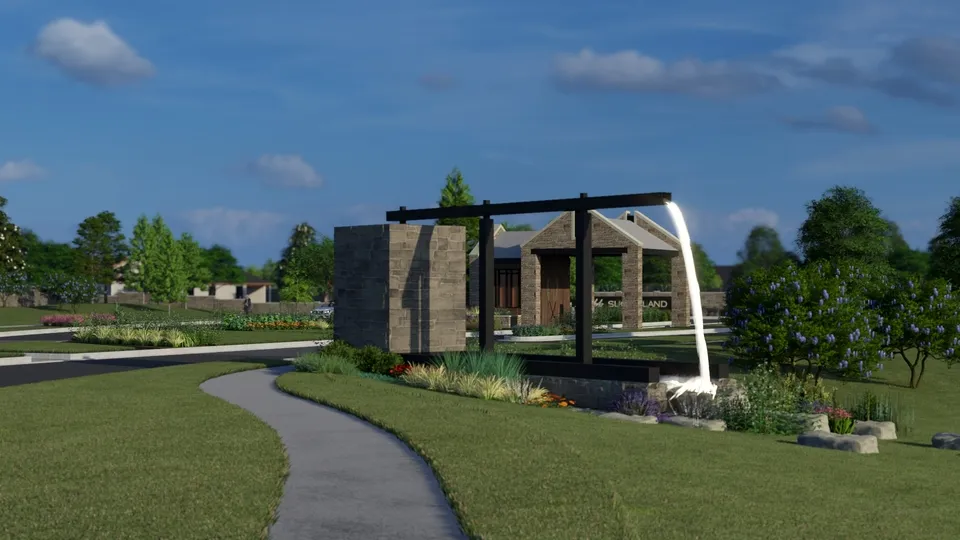
3D visualization goes beyond buildings and layouts. It helps bring the entire environment into focus.
Visualization allows teams to evaluate:
Outdoor areas play a major role in how a project is experienced.
Our approach to 3D landscape visualization helps clients understand:
These elements influence:
Visualization helps ensure those elements work together as intended.
3D visualization is used throughout the lifecycle of a project.
At the beginning of a project, simpler visuals are used to:
As the project develops, visualization supports:
design adjustments
coordination across teams
alignment with client expectations
At later stages, more refined visuals may be developed for:
One of the most effective ways to understand a project is to move through it.
3D walkthrough animation allows clients to experience:
This provides a more complete understanding than static images alone.
Visualization makes it easier to:
Not everyone reads plans the same way. Visualization removes that barrier.
These visuals are often used in:
They help communicate complex ideas in a clear, accessible way.
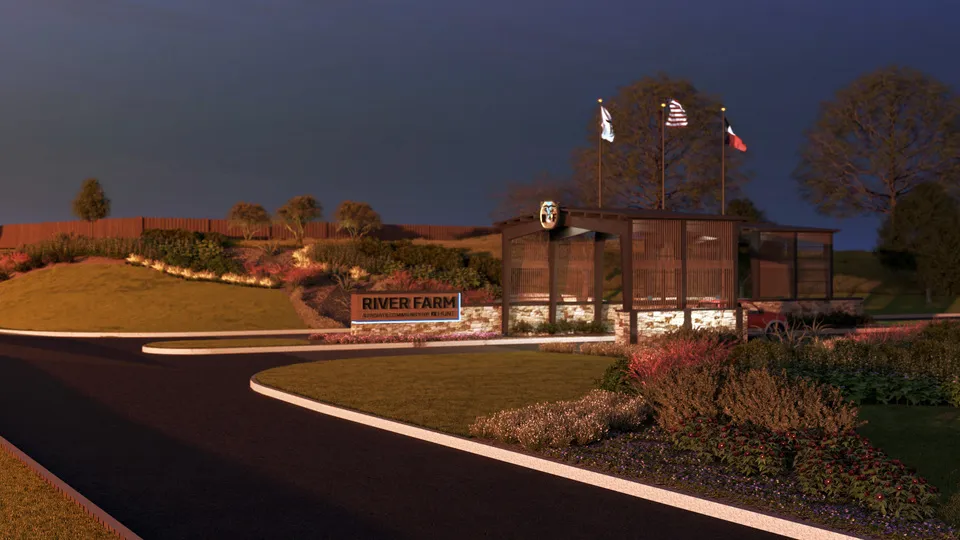
At SEC Planning, 3D visualization is not a separate service — it is integrated into how projects are developed.
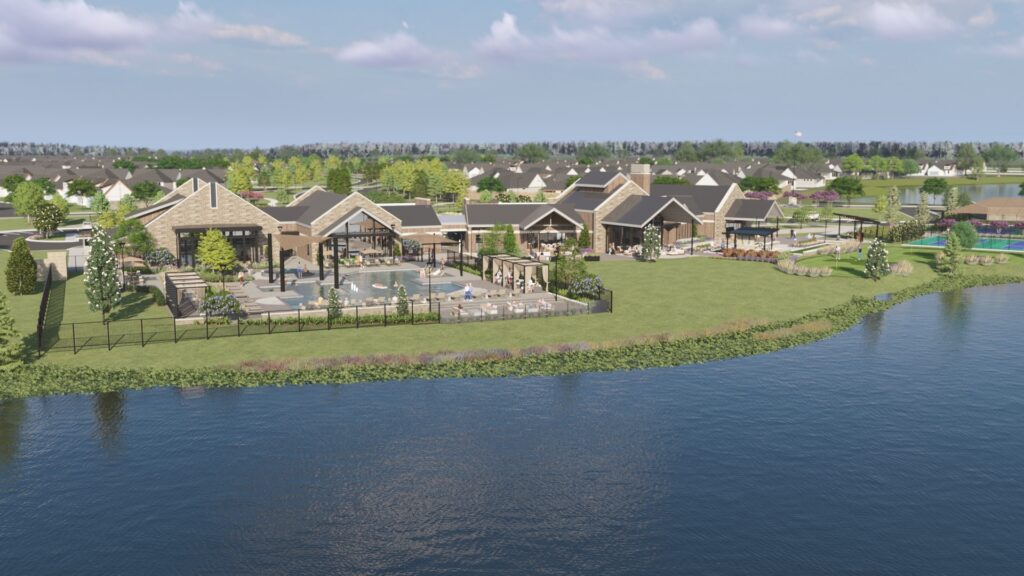
Visualization reflects real layouts and supports planning decisions from the beginning.
It helps refine design details and ensures that concepts translate into real-world conditions.
Because it is developed in-house, visualization improves coordination between planning, design, and implementation.
The value of 3D visualization comes down to one thing: clarity.
When teams can see the project clearly, decisions happen more quickly.
Identifying issues early reduces the risk of unexpected challenges later.
Visualization helps ensure that what is built matches what was intended.
Many firms treat visualization as a final step.
We don’t.
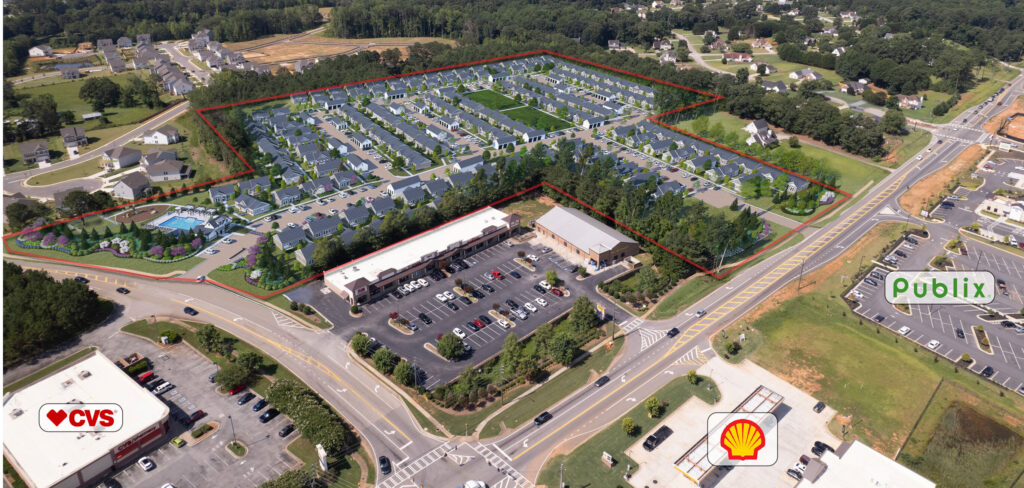
Visualization is used from early concept through final design — not just at the end.
The goal is not just to create something that looks good, but to ensure it works.
As with all of our services, visualization is shaped by client goals, project constraints, and real-world conditions.
3D visualization provides a clearer understanding of how a project will perform — before construction begins.
At SEC Planning, we use these tools to help clients make better decisions, reduce uncertainty, and move forward with confidence.