
A project can work on paper and still fall short once it’s built.
Landscape architecture is what closes that gap.
At SEC Planning, our landscape architecture services focus on how a space functions beyond the plan — how it looks, how it feels, and how it lives.
This is where a project moves from layout to real-world environment. Entry features, gathering spaces, streetscapes, and open areas define how the development will function and be perceived.
Good design in landscape architecture is not just aesthetic. It supports how people use the space — and ultimately how the project performs.
Because successful spaces are not just designed — they’re experienced.
Landscape architecture typically begins once the fundamentals of a project are in place.
When the land plan is defined, the financial model is working, and there is confidence in the entitlement path, the focus shifts from feasibility to execution.
From “Will this work?”
To “What will this become?”
This is where a landscape architect plays a critical role.
We help define how the project will be perceived in the market, how it will function for the people using it, and how the design supports long-term success.
Our process is structured to take a project from concept through construction, ensuring alignment at every stage.
We begin with image boards and early concepts that establish the visual direction of the project.
This includes:
These early decisions guide everything that follows.
From there, we refine the design across all major elements, including:
We coordinate closely with civil engineers and architects to ensure that all components of the project work together.
This includes:
Once the design is finalized, we produce detailed construction documents that translate design intent into buildable plans.
Our work includes:
Our documents are known for a higher level of clarity and completeness, helping contractors execute the work efficiently and accurately.
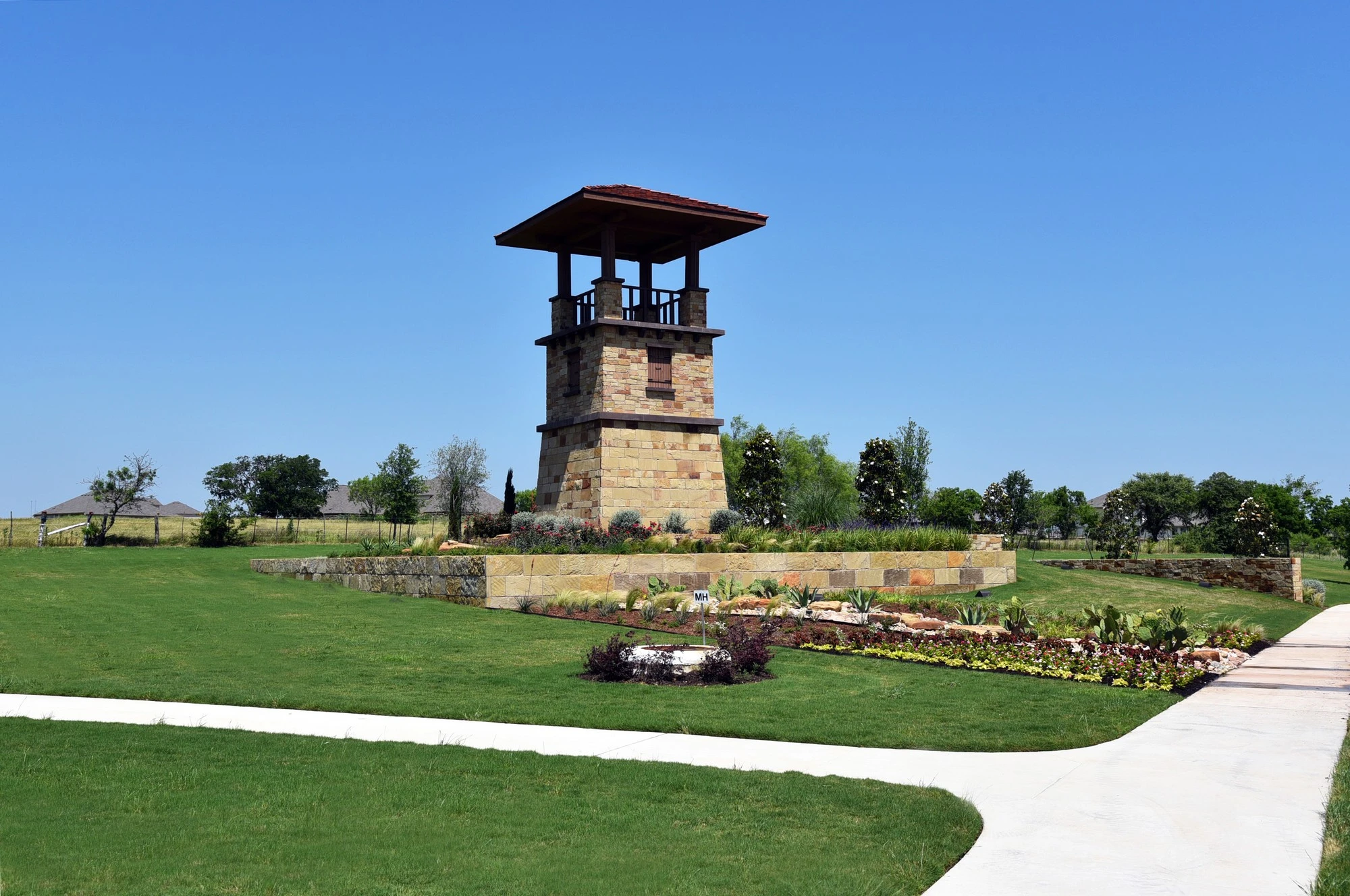
The difference between a functional project and a successful one often comes down to how it is experienced.
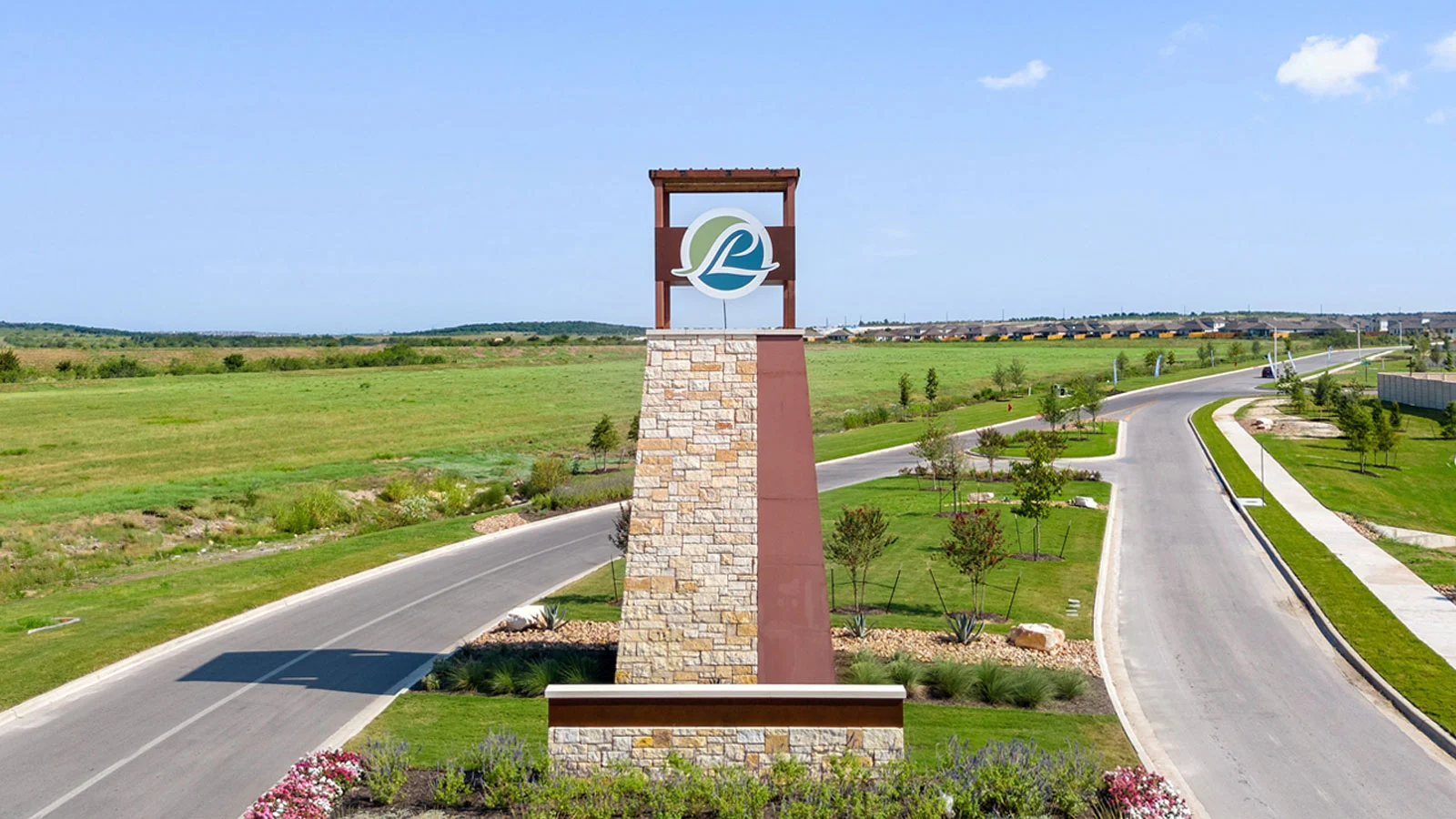
The entry into a development sets expectations immediately.
Well-designed entry features and arrival sequences create a sense of identity and establish the tone for the entire project.
Today’s communities are increasingly shaped by informal gathering spaces.
Sometimes called “collision spaces,” these are areas where people naturally interact — not because they’re programmed to, but because the design makes it easy.
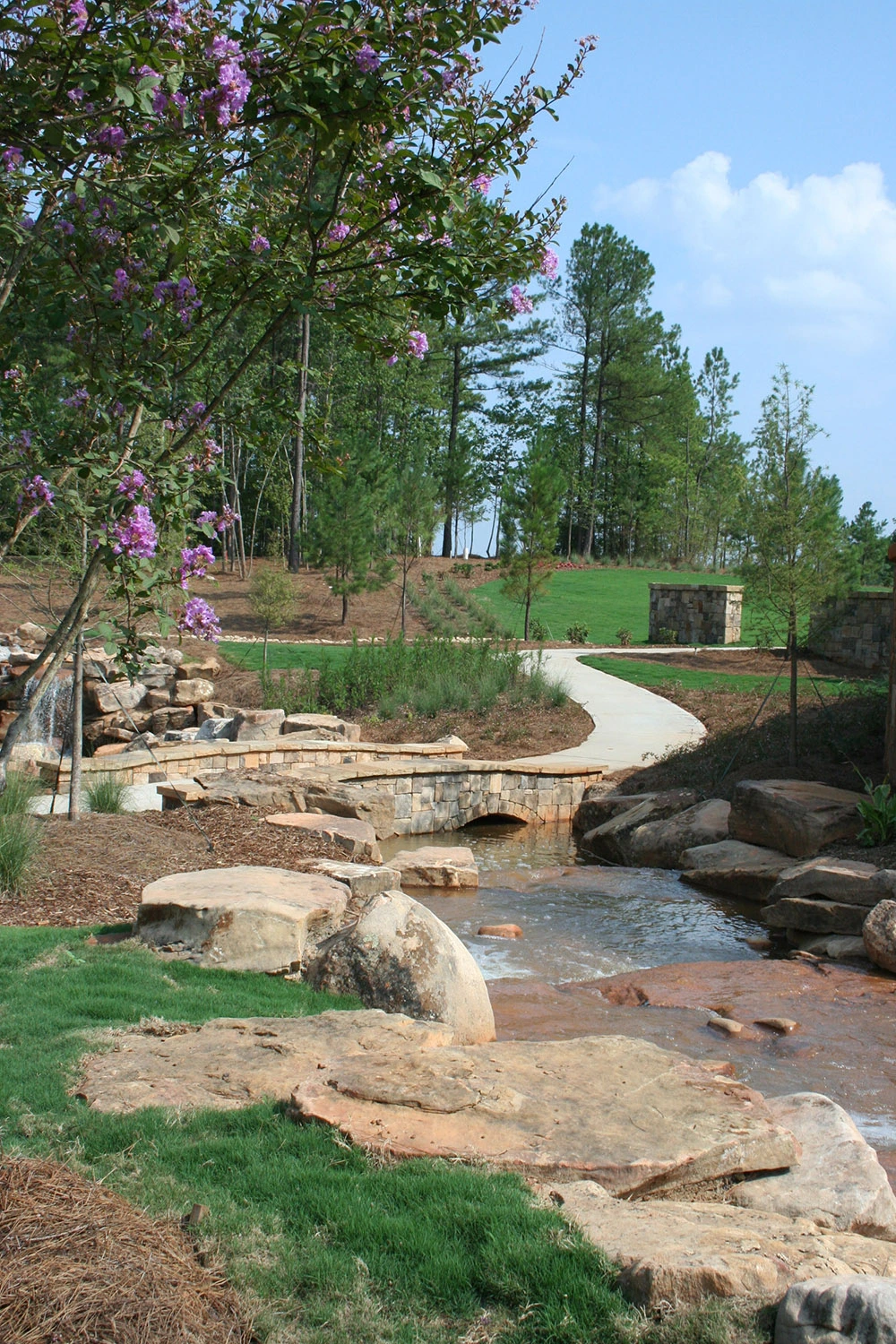
Parks, plazas, outdoor seating areas — these become the “third spaces” between home and work, where community happens organically.
Many of the most important design decisions are subtle.
These elements influence how people use a space, often without them realizing it.
Designing the landscape effectively means understanding these details and how they work together.
Landscape architecture works best when it is considered alongside land planning.
Planning establishes the framework of a development. Landscape architecture defines how that framework is experienced.
If space is not allocated early for amenities, gathering areas, and open space, those elements are difficult — or impossible — to introduce later.
That coordination is a key advantage when both planning and landscape architecture are handled together.
Landscape architecture plays a direct role in how a project performs.
We work with clients to align design expectations with real-world costs, drawing from recent project experience and current pricing.
This helps ensure that the design is achievable — not just conceptual.
A well-designed environment makes a project more attractive to buyers, tenants, and users.
This can influence:
The experience created through designing the landscape becomes part of how the development competes in the market.
Landscape architecture must also respond to regulatory and municipal requirements.
Many jurisdictions have detailed standards related to:
Projects often go through multiple rounds of review, with evolving feedback from city staff.
Our landscape architecture team can help navigate the regulatory and municipal requirements needed to permit your project.
This is where land planning provides clarity.
We help you evaluate site feasibility, validate your assumptions, and understand the real potential of a property before you move forward. In many cases, that early insight is the difference between a successful project and one that never quite works.
What sets SEC Planning apart is not just the quality of our work, but how we approach it.
Our process is grounded in Client-Centered Thinking™.
We do not apply a predefined style or force a particular design direction. Every project is shaped around the client’s goals, constraints, and vision.
We work closely with clients throughout the design process, refining concepts and adjusting where needed.
This includes:
Our team brings long-standing experience working together, which allows for efficient coordination across disciplines.
Design, planning, and technical execution are aligned from start to finish.
Our construction documents are developed with execution in mind.
Our plans are organized, detailed, and prepared for real-world constructability — a key part of delivering successful outcomes.
We use tools like 3D visualization to help translate design concepts into clear, understandable visuals.
These tools support:
They are used not just for presentation, but as part of the design process itself.
A strong plan sets the foundation.
Landscape architecture defines the outcome.
At SEC Planning, we design environments that are not only functional, but memorable — aligned with your goals, grounded in real-world constraints, and built to succeed over time.