
A Planning Consultant Should Be Client-Centered Long Before Design Begins
Everyone says they’re client-focused.
Most design firms will tell you they communicate well, collaborate closely, and care about their clients. Those are all worthwhile qualities, but they don’t explain the philosophy behind the recommendations.
Because good planning isn’t defined by how a consultant answers the phone.
It’s defined by how they think.
The questions that are asked. The goals that are uncovered. The assumptions that are challenged. Those early conversations shape every decision that follows.
Years ago, we asked our clients what they believed distinguished SEC Planning from other firms. The purpose was not to invent a tagline, but to better understand the value they found in the relationship. We simply wanted honest feedback about the experience we were creating.
Their answers consistently pointed in the same direction.
Clients talked about being heard. They talked about thoughtful conversations. They talked about a team that invested time in understanding what they were trying to accomplish before offering solutions.
Those conversations eventually gave a name to something that had already become part of our culture:
Client-Centered Thinking™.
It isn’t a marketing slogan.
It’s the philosophy that guides every recommendation, every conversation, and every decision we make.

Great Planning Begins with Questions, Not Answers
One of the biggest misconceptions about planning is that experienced firms begin every project with a vision for what they want to create.
We don’t.
Every project begins with questions.
What is driving this project?
What defines success?
What opportunities and constraints should shape the solution?
Understanding those answers changes everything.
Acreage, zoning, and market conditions tell us what a site can support.
Understanding the client’s goals tells us what it should become.
One developer may be focused on maximizing sales velocity. Another may be creating a long-term legacy project for future generations. Another may be balancing entitlement risk, market timing, and long-term investment value.
If we begin with our own preferred design, we’ve already started in the wrong place.
Instead, we begin by understanding yours.
That philosophy shapes everything from our Land Planning Services to our work in Landscape Architecture, because every recommendation should support the client’s goals before it reflects our own preferences.
A Planning Consultant Should Be More Than a Designer
One word came up repeatedly as we reflected on what Client-Centered Thinking™ means:
advisor.
Many people assume planning consultants exist to produce drawings.
In reality, some of the most valuable work happens long before a plan is ever finalized.
The most valuable conversations often begin with questions like:
- Is this the right direction?
- What could create challenges later?
- Is there another approach that better supports our long-term goals?
- How will today’s decisions affect tomorrow’s opportunities?
Sometimes those questions validate the original idea.
Sometimes they reshape it.
Either way, our responsibility isn’t simply to draw what we’re told.
It’s to help clients make better decisions.
That advisory role extends across our work, whether we’re navigating Entitlement Services, developing a community identity through Community Branding Architecture, or helping clients evaluate ideas with 3D Visualization Services before construction ever begins.
Every service exists to support better decisions.
Client-Centered Thinking™ Doesn’t Mean Always Saying “Yes”
Putting the client first doesn’t mean agreeing with every idea.
In fact, sometimes it means respectfully challenging one.
A client may arrive with a specific solution already in mind. Our responsibility is to understand the objective behind that request before evaluating whether it’s the best path forward.
Rather than simply saying, “That won’t work,” we prefer a different conversation.
“Here’s the direction you’ve described.
Here’s another option we believe better accomplishes the same goal.
Let’s compare them together.”
The best conversations don’t end with one side being right.
They end with everyone understanding why a particular solution is the strongest path forward.
Sometimes that’s the client’s original idea.
Sometimes it’s an alternative that emerges along the way.
Client-Centered Thinking™ creates space for both.
Every Design Decision Comes Back to One Question
Inside SEC Planning, design reviews don’t revolve around creating the most impressive concept.
Instead, we continually ask ourselves a different question:
What would the client think?
Does this fit their goals?
Does it align with the budget?
Will it solve the problems they’re trying to solve?
Does it create unnecessary complexity?
Occasionally, our team develops an idea we genuinely love.
If it doesn’t serve the client, it doesn’t move forward.
That can be difficult.
Creative professionals naturally become excited about innovative ideas. But successful planning isn’t measured by whether a project reflects our favorite design. It’s measured by whether it helps our client accomplish their goals.
That’s the difference between designing for ourselves and designing for someone else.
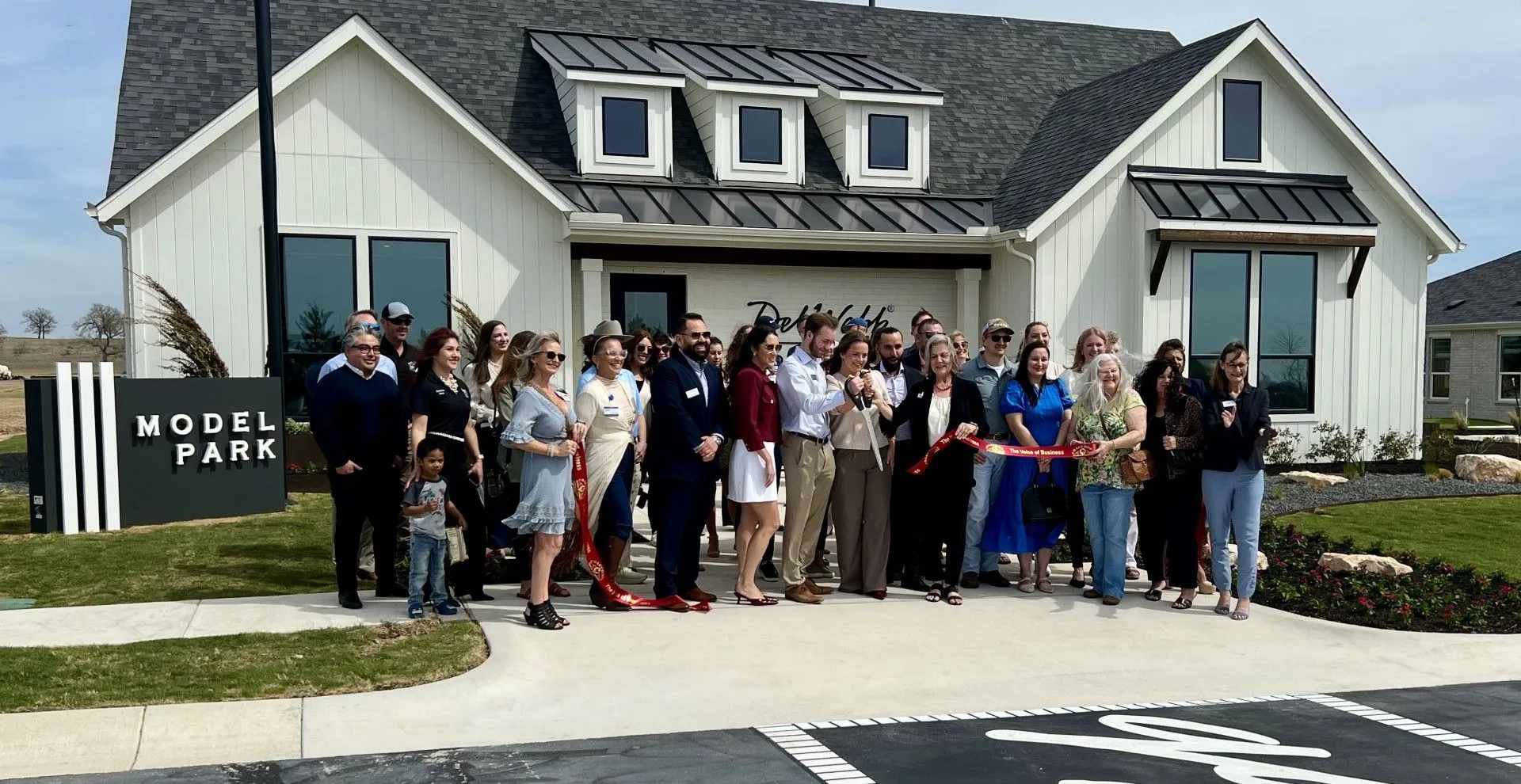
Relationships Are Built Long Before the Ribbon Cutting
One project rarely tells the whole story.
Many of our client relationships have continued for decades.
That doesn’t happen because every project is perfect.
It happens because every interaction is treated as an opportunity to bring value.
Sometimes that value comes through planning.
Value doesn’t always come from a completed plan.
Sometimes it comes from identifying a risk before it becomes expensive.
Sometimes it comes from asking a question no one else has asked.
Sometimes it comes from being consistently responsive, because clients know they don’t have to navigate difficult decisions alone.
Over time, those moments build trust.
That’s why Client-Centered Thinking™ isn’t something we practice only during design meetings.
It’s how we approach every conversation.
Our Process page explores how that philosophy continues through every phase of a project, from early evaluation to implementation.
Technology Changes. Good Judgment Doesn’t.
Planning continues to evolve.
Whether we’re using 3D visualization to evaluate a design, testing different planning scenarios, or refining details before construction, technology allows clients to understand their options with greater clarity.
The value isn’t the software itself. The value is the confidence that comes from making informed decisions before work begins.
It can’t replace experience.
It can’t replace listening.
And it can’t replace professional judgment.
The most sophisticated rendering in the world still depends on asking the right questions before it’s created.
That’s why Client-Centered Thinking™ remains just as relevant today as when we first gave it a name.
The technology will continue to change.
Our philosophy won’t.
It Was Never About the Motto
Client-Centered Thinking™ wasn’t created during a branding exercise.
It was discovered through the people who trusted us with their projects.
Our clients recognized a consistent way of thinking long before we gave it a name.
Today, that philosophy continues to shape how we hire, mentor, collaborate, and solve problems.
It reminds us that every project begins with listening.
Every recommendation should support the client’s definition of success.
And every relationship should leave people more confident than when the conversation began.
At SEC Planning, we believe that’s what great planning has always been about.
If you’re looking for a planning consultant who starts by understanding your goals before recommending solutions, we’d welcome the opportunity to start that conversation.